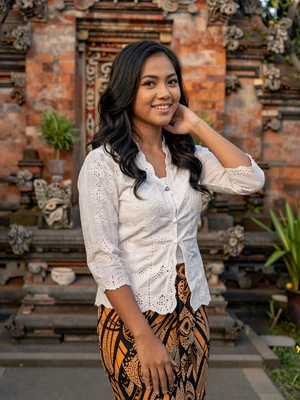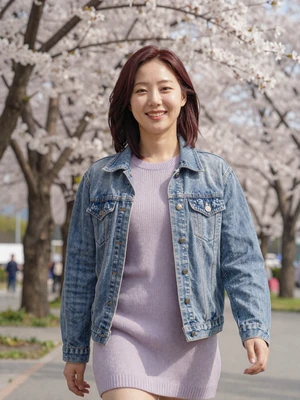
The differences between dating Asian women and Western women are not about one being "better" than the other - they're about distinct cultural frameworks that shape how women approach love, family, and partnership. Understanding these differences helps Western men set realistic expectations, avoid common miscommunications, and build relationships rooted in mutual respect. Whether you're exploring asian women dating for the first time or deepening an existing cross-cultural relationship, this honest comparison gives you the clarity you need.
Understanding Cultural Differences - Not Better, Just Different

Every comparison between Asian and Western dating cultures risks oversimplification. Asia alone spans dozens of countries, languages, and religions - a Korean woman from Seoul and an Indian woman from Mumbai share as many differences between each other as either does with an American woman from Chicago. That said, broad cultural patterns do exist, and recognizing them helps Western men navigate cross-cultural romance without stumbling into avoidable misunderstandings.
Western dating culture, particularly in the United States, emphasizes individual autonomy, personal fulfillment, and egalitarian partnership structures. Women in Western societies are raised to prioritize self-expression, career ambitions, and emotional independence. Asian dating cultures - while increasingly modern - still operate within collectivist frameworks where family harmony, social reputation, and long-term stability carry significant weight in partner selection.
Love doesn't require two people to be the same - it requires two people willing to understand what makes each other different.
Neither approach is superior. They reflect different histories, economic realities, and social priorities. The men who thrive in cross-cultural relationships are those who stop comparing and start appreciating.
Key Differences in Values, Communication & Expectations
The following comparison highlights general cultural tendencies, not universal truths. Individual women always vary. Use this table as a starting framework, not a rulebook.
| Aspect | Asian Women (General Tendencies) | Western Women (General Tendencies) |
|---|---|---|
| Family Role | Family approval is often required before commitment deepens; parents and elders hold significant influence over partner choice | Partner choice is primarily individual; family opinions are valued but rarely decisive |
| Communication Style | Indirect, context-driven; emotions conveyed through actions, tone, and silence rather than explicit statements | Direct, verbal; feelings are expressed openly and confrontation is considered healthy |
| Dating Expectations | Dating is viewed as a path toward marriage; casual dating is less common in traditional communities | Dating ranges from casual to serious; exclusivity develops gradually through mutual agreement |
| Views on Marriage | Marriage is a family event and a lifelong commitment; divorce carries social stigma in many communities | Marriage is a personal choice; divorce is socially accepted when a relationship becomes unhealthy |
| Independence | Interdependence valued; partners rely on each other within defined roles, though urban Asian women are increasingly career-driven | Independence highly prized; maintaining separate identities within a partnership is the norm |
| Conflict Resolution | Avoiding open conflict to preserve harmony; issues resolved privately or through subtle negotiation | Direct discussion and resolution preferred; healthy argument is seen as productive |
| Financial Expectations | Men are generally expected to demonstrate financial stability; providing is seen as showing care and reliability | Financial equality and splitting expenses is increasingly standard; dual-income households are the norm |
Asian dating in the United States represents a mosaic of traditions - Chinese, Japanese, Korean, Indian, Filipino, and Vietnamese communities each bring distinct cultural layers to how they approach love and partnership. Understanding these nuances rather than grouping all Asian women together shows the cultural curiosity that women genuinely appreciate.
Myths vs Reality: What You Actually Need to Know
Stereotypes hurt everyone. They create false expectations in men and reduce real, complex women to caricatures. Here are the most persistent myths - and what's actually true.
Myth
- Asian women are submissive and will obey without question
- All Asian women want to leave their country for a Western passport
- Western women are too independent to be good partners
- Asian women don't care about career or education
- Cultural differences make long-term relationships impossible
- Dating an Asian woman means getting a "mail-order bride"
Reality
- Asian women express disagreement subtly - they have strong opinions and boundaries, just communicated differently
- Most seek genuine emotional connection; many prefer to stay in or near their home country with the right partner
- Independence and devotion coexist - Western women bring equal-partnership strengths that many men value deeply
- Korean women have among the highest university enrollment rates globally; Indian women lead in STEM fields
- Cultural differences are challenges, not dealbreakers - couples who communicate openly report stronger relationships than culturally homogeneous couples
- Modern Asian dating platforms like HBDragons connect equal partners seeking mutual love, not transactions
What Makes Cross-Cultural Relationships Rewarding
Men who have dated both Asian and Western women consistently report that cross-cultural relationships offer a unique kind of richness that same-culture partnerships rarely match. The effort required to understand each other becomes the very thing that deepens the bond.
You Grow as a Person
Learning to see the world through your partner's cultural lens - whether she's from Jakarta, Seoul, or Jaipur - forces personal growth. You develop patience, emotional intelligence, and communication skills that benefit every area of life. Men who date Indonesian women, for example, often describe how the emphasis on community and hospitality transformed their own approach to friendships and family.
You Build a Richer Family Life
Bilingual children, blended holiday traditions, exposure to two cuisines and worldviews - cross-cultural families offer children an extraordinary advantage in an increasingly connected world. The combination of Western individual empowerment and Asian collective responsibility creates a parenting framework that draws on the best of both cultures.
You Experience Deeper Gratitude
When both partners actively work to bridge a cultural gap, nothing is taken for granted. Small gestures - her cooking your favorite dish from home, you learning her mother's language - carry enormous emotional weight because both people know the effort behind them.
Summary: Appreciating Differences Builds Stronger Love
Asian women and Western women approach dating, family, and commitment through different cultural lenses - shaped by history, religion, and social values, not by inherent superiority or inferiority. Asian dating cultures tend to prioritize family integration, indirect communication, and long-term commitment from the start. Western dating cultures tend to emphasize individual choice, direct expression, and gradual commitment. The men who build the happiest cross-cultural relationships are those who stop comparing and start connecting - meeting their partner where she is, not where stereotypes place her.
Ready to meet genuine Asian women who share your values? Browse verified profiles on HBDragons and start a conversation that could change both your lives.