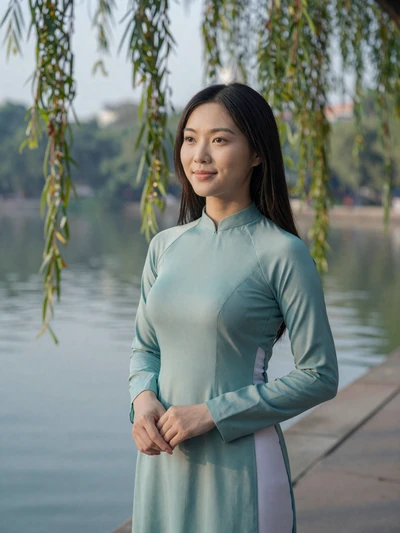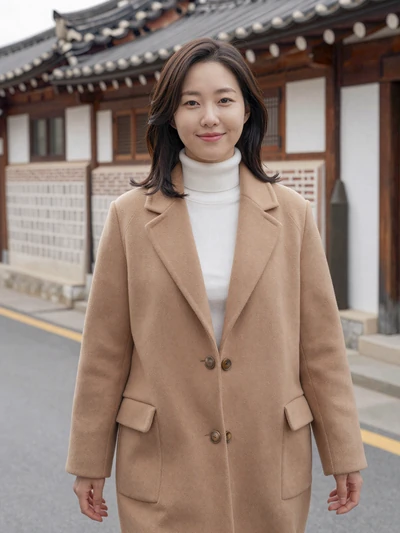
Asian dating culture is not one single set of rules - it's a mosaic of traditions shaped by Confucian values, Buddhist teachings, Islamic customs, and rapid modernization. Understanding these cultural layers is the difference between a Western man who stumbles through cross-cultural dating and one who builds a genuine, lasting relationship. This guide breaks down courtship norms across East Asia, Southeast Asia, and South Asia so you can approach asian women dating with confidence and respect.
Why Asian Dating Culture Differs from Western Norms
Western dating typically centers on individual attraction and personal compatibility. You meet someone, feel a spark, and explore where it leads - largely independent of family input. Asian dating culture flips this framework. In most Asian societies, a relationship is a family event as much as it is a personal one. Your partner's parents, siblings, and even extended relatives hold real influence over whether a relationship moves forward.
This doesn't mean romance is absent - far from it. It means romance develops within a framework of collective values: respect for elders, financial responsibility, commitment to long-term partnership, and clearly defined roles within the household. For Western men used to casual dating, this shift in expectations can feel intense. But for those seeking a devoted, loyal partner who values family above all else, it's exactly the environment where deep love thrives.

East Asian Dating Culture: China, Japan, and Korea
East Asian dating is heavily influenced by Confucian ideals of filial piety, social harmony, and hierarchical respect. Relationships here tend to progress quickly once both parties commit, but the courtship phase can feel formal to Western men.
Chinese Dating Traditions
In Chinese dating culture, marriage is often viewed as a practical partnership as much as a romantic one. Families evaluate a potential partner's financial stability, career prospects, and family background. The concept of "门当户对" (mén dāng hù duì) - matching social standing between families - still carries weight, especially outside major cities. Chinese women tend to appreciate men who are direct about their intentions. If you're serious about marriage, say so early - ambiguity is interpreted as a lack of commitment.
Japanese Dating Etiquette
Japanese dating culture values subtlety and indirect communication. A Japanese woman may express interest through actions rather than words - making you lunch, remembering small details you mentioned, or adjusting her schedule to see you. The concept of "kokuhaku" (confession of feelings) is a defining moment in Japanese relationships: the relationship doesn't officially begin until one person formally confesses their romantic interest. Rushing physical intimacy before this step is considered disrespectful.
Korean Courtship and K-Culture Influence
Korean dating is deeply intertwined with modern K-culture - couple outfits, anniversary celebrations on specific day-counts (100 days, 200 days, 300 days), and an emphasis on romantic gestures. Korean women expect consistent effort: daily good-morning texts, planned dates, and visible emotional investment. Meeting the parents is a major milestone that signals serious marriage potential.
Southeast Asian Dating Culture: Philippines, Thailand, and Vietnam
Southeast Asian dating cultures are generally warmer and more outwardly affectionate than their East Asian counterparts. Religion plays a larger role - Catholicism in the Philippines, Buddhism in Thailand, and a blend of Buddhist-Confucian values in Vietnam.
Filipino Relationship Values
Filipino women are known for their warmth, devotion, and deep family ties. The concept of "ligawan" (courtship period) is central - a man is expected to prove his sincerity through consistent effort before a woman agrees to a relationship. Meeting the family early is common and expected. Filipino culture is highly communal: when you date a Filipina, you're dating her family too. Showing respect to her parents (addressing them as "po" and "opo" for formality) earns you enormous goodwill.
Thai Dating and Buddhist Values
Thai dating culture is shaped by Buddhist modesty and the concept of "kreng jai" - a reluctance to impose or cause discomfort. Thai women may avoid direct confrontation or expressing displeasure openly. Understanding this communication style prevents misunderstandings. The "wai" greeting (palms pressed together with a slight bow) is essential. Never touch a Thai woman's head - it's considered the most sacred part of the body in Buddhist culture.
Vietnamese Family-First Approach
Vietnamese dating culture blends Confucian respect for family hierarchy with strong national pride. Vietnamese women typically seek a partner who demonstrates stability, loyalty, and a willingness to integrate into her family structure. Public displays of affection are reserved - holding hands is acceptable, but kissing in public is frowned upon, especially in rural areas. Gifting is important: bringing fruit, sweets, or small presents when visiting her family home is a sign of good manners.
South Asian Dating Culture: India, Pakistan, and Bangladesh
South Asian dating operates within a framework where family, religion, and community reputation carry exceptional weight. While urban areas in India and Pakistan are becoming more progressive, traditional courtship - often involving family introductions - remains the norm in many communities. Interfaith and intercultural relationships face additional scrutiny, so patience and cultural sensitivity are paramount for Western men exploring these connections.
Regional Comparison: Asian Dating Culture at a Glance
| Region | Courtship Style | Family Role | Religious Influence | Communication Style |
|---|---|---|---|---|
| East Asia (China, Japan, Korea) | Formal, intentional, progresses quickly once committed | Very high - parental approval often required | Confucian values, Buddhism | Indirect, subtle, action-based |
| Southeast Asia (Philippines, Thailand, Vietnam) | Warm, affectionate, extended courtship period | High - family integration starts early | Catholic, Buddhist, mixed traditions | Warm, open, but avoids direct conflict |
| South Asia (India, Pakistan, Bangladesh) | Traditional, family-mediated, slower progression | Extremely high - family approval is central | Hindu, Islamic, Sikh traditions | Respectful, formal with elders, expressive privately |
| Central Asia (Kazakhstan, Uzbekistan, Kyrgyzstan) | Blend of nomadic traditions and modern dating | High - bride and groom families negotiate | Islamic with secular influences | Direct yet hospitable, generous spirit |
Communication Tips for Cross-Cultural Dating
Effective communication is the bridge between Western directness and Asian subtlety. These strategies apply across virtually every Asian culture:
- Listen more than you talk - Asian women often communicate meaning through tone, pauses, and context rather than explicit statements. Give her space to express herself fully before responding.
- Learn basic phrases in her language - even "hello," "thank you," and "your food is delicious" in her native language demonstrates genuine effort and respect.
- Avoid sarcasm early on - sarcasm translates poorly across cultures and can be mistaken for rudeness or disrespect.
- Be patient with silence - in Japanese and Thai cultures, silence during conversation isn't awkward. It's a sign of thoughtfulness and respect.
- Ask about her family early - showing interest in her parents and siblings signals that you understand the importance of family in Asian culture.
- Use video calls over text - facial expressions and tone convey warmth that text messages cannot. Platforms like HBDragons offer built-in video chat to help bridge the distance.
Common Mistakes Western Men Make
Awareness of these pitfalls saves you from unintentional offense:
- Treating all Asian cultures as one - a Korean woman and a Filipina have vastly different cultural expectations. Research her specific background.
- Moving too fast physically - most Asian dating cultures expect physical intimacy to develop gradually. Pushing boundaries too early signals disrespect.
- Ignoring her family - dismissing or showing indifference toward her parents is a relationship-ender in virtually every Asian culture.
- Relying on stereotypes - assuming she's submissive, docile, or desperate to leave her country is both inaccurate and offensive. Modern Asian women are educated, ambitious, and selective.
- Being vague about intentions - if you're looking for a serious relationship, state it clearly. Ambiguity is rarely tolerated in cultures that view dating as a path to marriage.
Summary: Your Cross-Cultural Dating Roadmap
Success in Asian dating culture comes down to three principles: respect her cultural framework, engage her family with sincerity, and communicate your intentions clearly. East Asian dating rewards patience and formality. Southeast Asian dating rewards warmth and consistent effort. South Asian dating rewards respect for tradition and community. Across every region, the men who succeed are those who approach cross-cultural relationships not as an exotic adventure, but as a genuine commitment to understanding and honoring another person's world.
Ready to connect with incredible women from across Asia? Browse verified profiles on HBDragons - where over 500,000 members have already started their cross-cultural love stories.